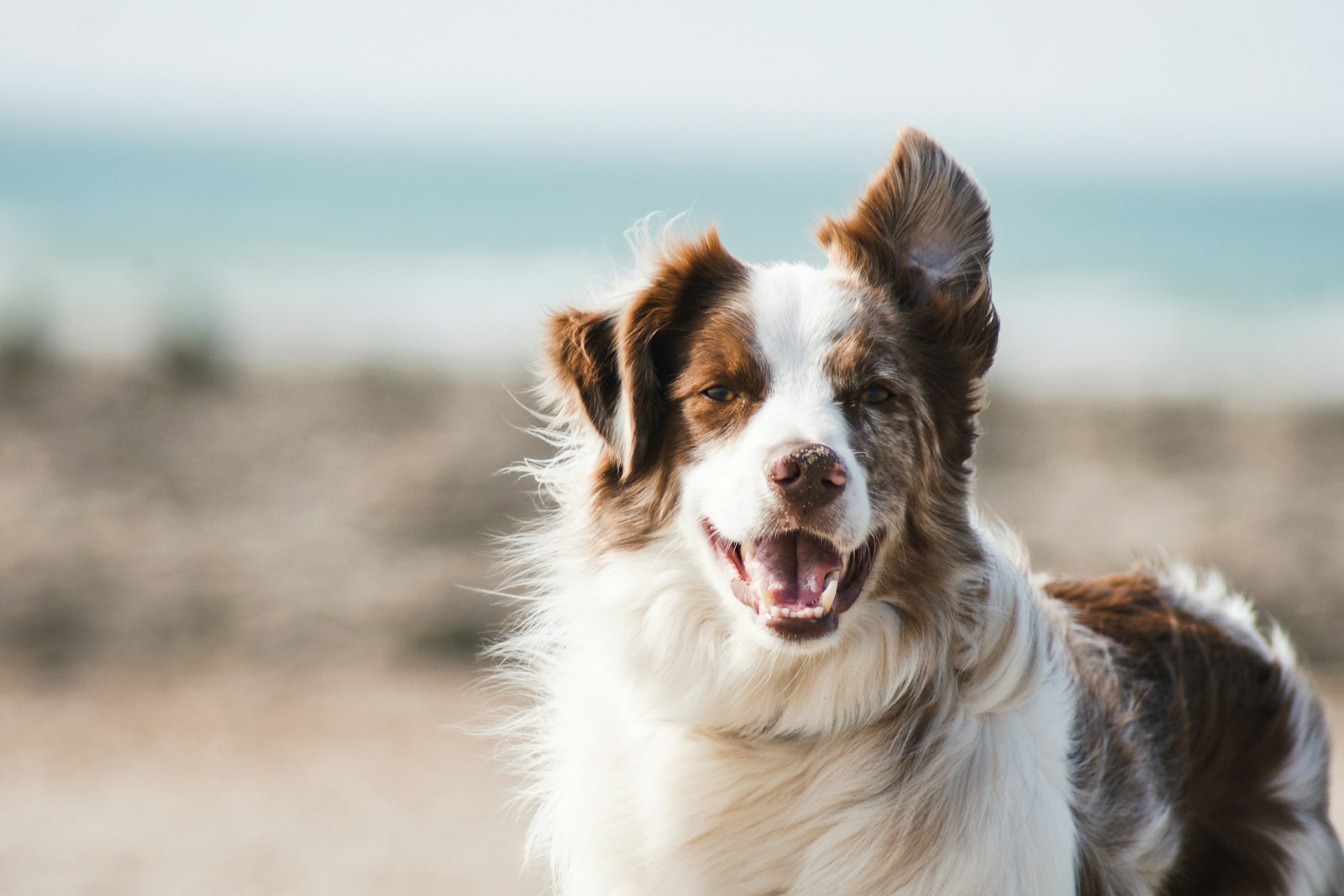
Understanding Dog Body Language
Dogs are constantly communicating — just not with words. Every ear position, tail wag, and body shift carries meaning. Learning to read these signals helps you understand what your dog is feeling, prevent conflicts before they happen, and build a deeper bond with your four-legged companion.
The Tail Tells a Story
Contrary to popular belief, a wagging tail doesn't always mean a happy dog. The position, speed, and direction of the wag all matter:
- Relaxed, mid-height wag: Content and comfortable. This is the classic "happy dog" wag.
- High, stiff wag: Aroused and alert — could tip into excitement or agitation. Watch the rest of the body for context.
- Low, slow wag: Uncertain or submissive. The dog is cautious about the situation.
- Tucked between legs: Fearful or stressed. The dog wants to appear smaller and non-threatening.
- Broad, full-body wag: Pure joy. The whole backend wiggles. This dog is thrilled to see you.
- Stiff and still (tail up): High alert. Proceed with caution — this dog is assessing a potential threat.
Ears and Eyes
A dog's ears and eyes provide some of the most immediate emotional feedback:
Ears
- Neutral/relaxed: In their natural resting position. The dog is calm.
- Forward and pricked: Alert and interested. Something has their attention.
- Pinned back flat: Fear, anxiety, or submission. Often accompanied by other appeasement signals.
- One forward, one back: Conflicted or processing — they're trying to figure out how they feel about the situation.
Eyes
- Soft, relaxed eyes: Comfortable and at ease. Often seen with slightly squinted lids.
- Hard stare: A fixed, unblinking gaze is a warning signal. The dog is uncomfortable and may escalate if the situation doesn't change.
- "Whale eye" (showing whites): The dog turns their head away but keeps their eyes fixed on something concerning. This is a clear stress signal.
- Averted gaze: Looking away is often an appeasement behaviour — the dog is trying to defuse tension.
Body Posture
A dog's overall body position tells you whether they feel confident, playful, scared, or aggressive:
- Play bow (front end down, rear up): Universal invitation to play. Often bouncy and paired with a relaxed, open mouth.
- Weight shifted forward: Confident, interested, or potentially assertive. The dog is leaning into the situation.
- Weight shifted back or cowering: Nervous or frightened. The dog is trying to create distance.
- Rolling over and exposing belly: Can mean trust and relaxation OR submission and appeasement. Context matters — a loose, wiggly roll-over is different from a stiff, frozen one.
- Hackles raised (piloerection): The fur along the back stands up. This indicates arousal — it could be excitement, fear, or aggression. It's an involuntary response, like goosebumps in humans.
Stress and Calming Signals
Dogs use a range of subtle behaviours to communicate discomfort and attempt to de-escalate tense situations. These are often called "calming signals" and include:
- Lip licking or tongue flicking — when not near food, this signals mild stress
- Yawning — a stress yawn is often exaggerated and occurs out of context (not when tired)
- Shaking off — like they just got out of water, but they're dry. This is a reset after a stressful moment
- Sniffing the ground — suddenly intensely interested in a smell during a social situation is often displacement behaviour
- Turning away or turning sideways — reducing frontal profile is an attempt to lower tension
- Slow blinking — signals non-threat, similar to cats
- Scratching — out-of-context scratching when there's no itch is a common displacement behaviour
No single signal tells the whole story. Always read the entire dog — tail, ears, eyes, mouth, and body posture together. A wagging tail with a hard stare and stiff body is very different from a wagging tail with soft eyes and a wiggly body.
What This Means on the Trail
For dog walkers and owners in Whistler, reading body language is essential for safe group dynamics. On every walk, our team monitors each dog for signs of stress, over-arousal, or discomfort — and adjusts accordingly. Whether it's giving a nervous dog more space, redirecting an over-excited greeter, or recognizing when a dog needs a break, these skills keep every walk safe and enjoyable.
Understanding your dog's language also helps at home, at the vet, and during introductions with new dogs or people. The more fluent you become, the stronger your relationship will be.
Our walkers are Fear Free certified and trained in reading canine body language. We group dogs by temperament and energy level to ensure every pack member feels safe and comfortable.